Making Heat Fit Where It Actually Needs To Go
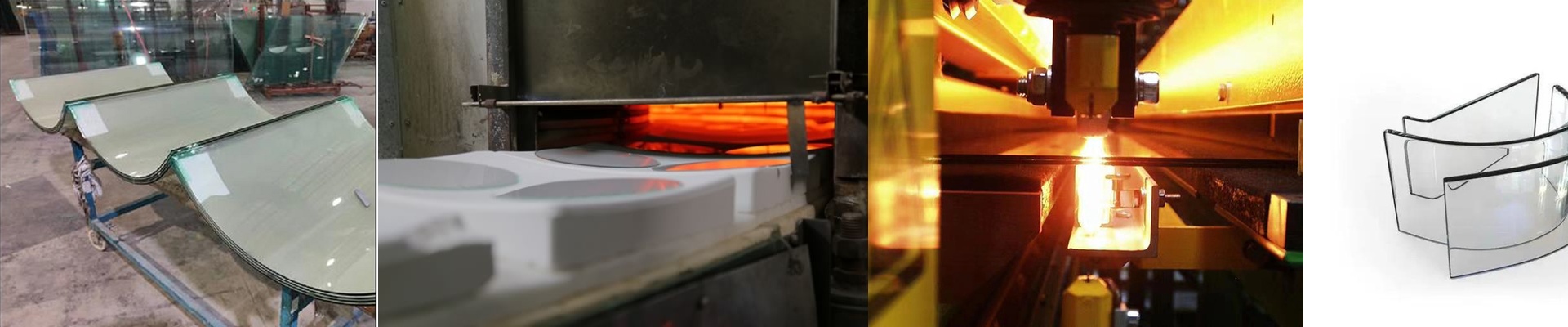
Let’s be honest: standard straight infrared lamps are great until you’re staring at a non-standard bending furnace with zero breathing room. When your furnace interior is cramped, you can’t exactly just push the walls back. You’re stuck with the space you have. So, instead of trying to force a square peg into a round hole, you have to make the heat source fit the footprint. Getting the shape right We spend a lot of time bending quartz glass sleeves to match the actual architecture of your furnace. Maybe you need a U-shape, a specific radius, or just a weird length that doesn’t exist in a catalog. We build the tube to fit your chassis. It’s not about making it look pretty. It’s about getting the heat closer to the workpiece. When the fit is tight and precise, you don’t have to worry about things bumping into each other or—even worse—an electrical short. The science of the curve Here is the interesting part: bending the quartz actually changes how the heat behaves. A curved lamp focuses infrared energy on a specific spot. For complex bending jobs, that’s exactly what you want. We use high-purity quartz because this stuff takes a beating. It needs to handle intense thermal stress without warping or just snapping. But there’s a catch. You have to be careful with wattage density. If you cram too many watts into a short, bent tube, you get hot spots. We spend time balancing the length and power output so your filament doesn’t burn out way sooner than it should. Dealing with tight spaces Custom shapes let you turn “dead space” into actual heating zones. You can basically wrap the heat around the part, which means the temperature stays even across the entire bend radius. Just a heads-up: custom bends are a bit more finicky to replace than standard tubes. You can’t just slide them in and forget it. Your mounting brackets have to be spot on. If a bracket is off by even a few millimeters, it puts mechanical stress on the quartz. When the furnace starts heating and cooling, that stress builds up. And that’s usually when you hear that dreaded snap.